
Can You Fly a Drone Over Private Property?
April 16, 2026
Picture this: you’re filming a stunning sunset as golden light spills across the neighborhood, but then suddenly your neighbor steps outside, clearly upset to see your drone humming overhead. In that instant, an incredible shot turns into a real-world collision between airspace freedom and personal privacy.
For every pilot, knowing where your right to fly ends and a neighbor’s right to feel secure begins is just as important as mastering the controls. Join us as we break down the rules of the sky for responsible, legal, and courteous drone operation in today's world.
What the FAA Says About Private Airspace
From a federal standpoint, the rules of the sky are quite clear: the Federal Aviation Administration (FAA) is the sole authority over all navigable airspace in the United States. This jurisdiction doesn't start at several hundred feet; it essentially begins at the surface. Because the FAA views the air as a shared public resource, FAA drone regulations generally permit aircraft to fly over private land without the specific consent of the property owner.
Whether you are a commercial pilot operating under Part 107 or a hobbyist following the recreational drone rules outlined in Section 44809, you are operating in federally managed space. As long as you remain in uncontrolled airspace or have the necessary authorizations for controlled areas, your flight is legally protected at the federal level. The FAA’s primary focus remains on safety, ensuring that drones don’t interfere with manned aircraft or pose a physical risk to people on the ground.
When 'Can You Fly a Drone Over Private Property' Becomes Complicated
While federal rules give us the green light to navigate the sky, state and local authorities have moved quickly to address concerns about what happens when those flights feel too close for comfort. This is where the simple answer of "yes" becomes a bit more complex. Many states have enacted specific drone privacy laws to protect citizens from what they perceive as aerial intrusion into their private lives.
Take California’s AB 856, for example. This law was specifically designed to prevent a "physical invasion of privacy" by prohibiting the use of drones to capture images or recordings of people on private property in a way that would otherwise require physical trespass. Similarly, Florida’s SB 766 prohibits the use of a drone to record images of privately owned real property or of the owner, tenant, or occupant with the intent to conduct surveillance. These laws demonstrate that even if you aren't physically touching the ground, you could still violate a resident's legal right to privacy.
These drone privacy laws often focus on the concept of "aerial trespass", a term that bridges the gap between traditional land rights and modern flight. While you might be following all federal safety rules by staying below 400 feet and keeping your craft in sight, hovering low over a neighbor's backyard pool could still lead to local legal repercussions or civil lawsuits.
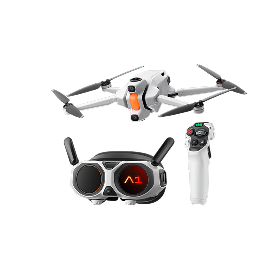
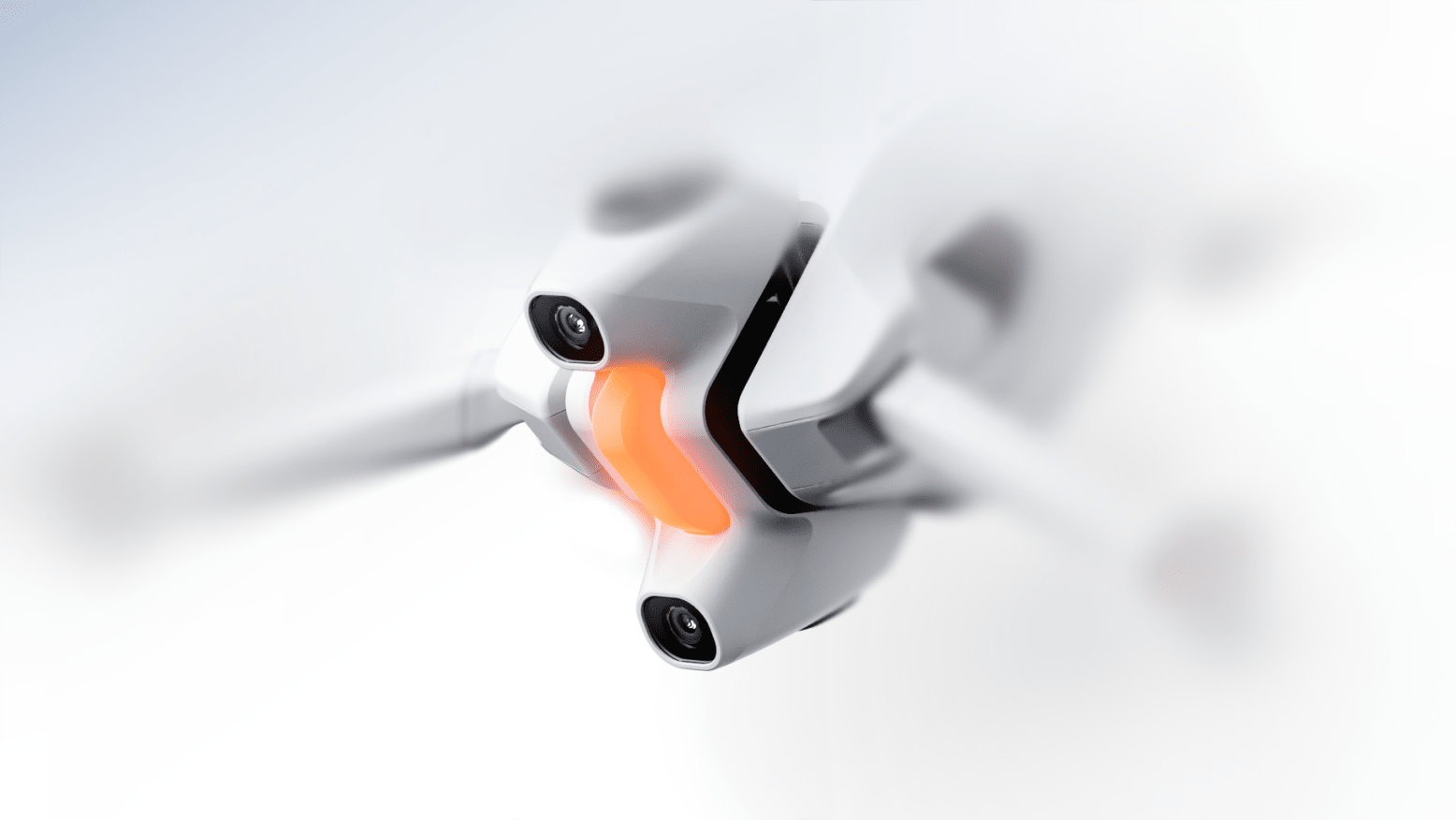
We believe technology should enhance our relationship with the world, not create friction. We designed the Antigravity A1 with 360° capture technology specifically to help you navigate these boundaries. Because the A1 captures everything around it, you don’t need to hover directly over a subject to get the perfect shot. You can maintain a respectful, legal distance from private homes and still refactor your footage in post-production, keeping you on the right side of drone privacy laws.
How Low Can You Fly Over Private Property?
One of the most common questions we hear is: how low can you actually go? While the FAA sets a ceiling of 400 feet for most flights, the "floor" is where things get interesting. The space between ground level and 200 feet is often considered a gray zone in the world of aerial exploration. In this lower altitude range, the distinction between a harmless pass-over and a privacy violation becomes critical for every pilot to understand, making hovering drone etiquette a top priority.
Mastering hovering drone etiquette is essential when you are navigating residential areas or flying near private homes. There is a massive legal and social difference between transiting through an airspace and hovering within it. If you are simply flying from point A to point B at a consistent speed and altitude, you are usually viewed as a transient aircraft. However, once you stop and hover over someone’s backyard, you may be infringing on their "reasonable expectation of privacy."
Most drone trespassing laws at the state level focus on this intent and duration. Is the drone there to transit the area, or is it lingering to observe private activity? To stay safe and respectful, we recommend maintaining an altitude of 200 feet or higher when passing over private property and avoiding the temptation to hover.
What to Do if Someone Flies a Drone Over Your Property
It is critical to understand that you cannot take the law into your own hands. Despite how intrusive a drone might feel, the rules regarding shooting down a drone are very strict: drones are officially considered aircraft by the federal government. Damaging or shooting at one is a federal felony and carries severe criminal penalties. It is never a safe or legal solution for property owners to discharge a weapon at a device in flight, regardless of where it is hovering.
Instead of direct confrontation, the best path is to document and report. If a drone is flying dangerously low or hovering in a way that feels like a violation of your privacy, you should contact local law enforcement. Many jurisdictions have updated their ordinances to include aerial surveillance under existing harassment and stalking laws. You can also report reckless operators to the FAA, particularly if they are ignoring FAA drone regulations by flying over crowds or into restricted areas.
FAQ
Can I shoot down a drone?
No. Under federal law, drones are classified as aircraft. Intentionally damaging or destroying an aircraft in flight is a serious federal felony. Even if you feel a pilot is overstepping, shooting down a drone could lead to severe criminal penalties. If you believe your privacy is being compromised, the legal path is to report the incident to the FAA.
Do police need a warrant?
Generally, courts have held that there is no "reasonable expectation of privacy" from the air for activities visible to the naked eye. However, many states are updating their drone privacy laws to require law enforcement to obtain a warrant for targeted surveillance. We recommend checking your local state drone laws guide to understand specific protections in your area.
Is it trespassing if it doesn't touch the ground?
Traditional drone trespassing laws usually require physical contact with the land. However, the theory of "aerial trespass" is gaining ground. If a drone flies at a very low altitude, typically under 200 feet, it may be legally classified as a nuisance. Understanding drone trespassing laws at the state level is the best way for pilots to avoid these legal complications.
Conclusion
As we’ve explored, the question of whether you can fly over private property is rarely a simple "yes" or "no." While FAA drone regulations give us the legal right to share the navigable airspace, the true test of a great pilot lies in the balance between our freedom to explore and our neighbors' right to privacy. Legality does not always equal courtesy, and as pioneers in this space, we have a collective responsibility to lead with respect.
For a stress-free flight, we always recommend a few simple best practices that go beyond basic FAA drone regulations. First, keep your altitude high—aiming for 200 feet or more when passing over residential areas. Second, be brief; avoid lingering over backyards or windows. Finally, be open and transparent. If a neighbor approaches you with questions, a friendly explanation about your flight and your technology can go a long way toward building trust.
At Antigravity, we believe that when we fly responsibly, we aren't just capturing the world—we’re protecting the future of flight for everyone. Our goal is to empower you to see the world from new heights while keeping the ground beneath you peaceful and respected. Together, let’s keep the skies open, the cameras rolling, and our global community thriving through mindful, cinematic exploration and shared respect.
Êtes-vous sur la liste ?
Abonnez-vous pour recevoir les meilleures histoires, astuces et actualités directement dans votre boîte de réception.

