
Understanding the World of Drones in America
April 16, 2026
From the skies above our local parks to the sweeping shots in real estate ads and national news reports, drones have quietly buzzed their way into the American landscape. They’ve evolved from niche gadgets for tech enthusiasts into powerful tools that are actively changing how we see and interact with our world. But with this rapid rise comes a cloud of questions. This guide is your map to understanding the current state of drones in America. We'll explore the essential US drone regulations every pilot must know, dive into the fascinating commercial drone applications transforming industries from agriculture to cinema, and navigate the important conversations around privacy and the future of this powerful technology.
The Current State of Drones in America
To truly grasp the scale of this new aerial age, we need to look at the numbers. The American sky is now home to hundreds of thousands of registered drones, with a clear divide between recreational flyers and certified commercial pilots. This isn't just a hobbyist trend; it's a foundational shift in technology. The rapid adoption signals a move from novelty to necessity, cementing the drone as a vital tool for creators and businesses alike.
The impact is most visible across several key sectors. In construction, drones are now indispensable for surveying land, monitoring project progress, and ensuring worker safety. For farmers, they offer a new way to analyze crop health and manage resources with incredible precision. And in media, from Hollywood blockbusters to local news, aerial footage has become the standard for dynamic storytelling. These commercial drone applications are just the beginning, showcasing the versatility and power these aircraft bring to established fields.
This increase in use has ignited a significant economic engine, making the US drone industry a multi-billion-dollar market. It's a clear sign of technological maturation, driven by innovation in hardware, software, and the growing demand for data-driven insights. The landscape is constantly evolving, but one thing is certain: drones are now a permanent and powerful fixture in America's technological and economic future.
Navigating FAA Rules and Regulations
Navigating the world of US drone regulations can seem intimidating, but the Federal Aviation Administration (FAA) has created a clear flight path for every type of pilot. The first and most important step is to define your mission: are you flying for fun or for business? The answer determines your entire journey and ensures everyone shares the sky safely.
For creators flying purely for enjoyment, the path is straightforward. You must pass The Recreational UAS Safety Test (TRUST) , a free and simple online course covering foundational safety. This certificate, along with registering any drone weighing over 250 grams, is your basic ticket to fly.
However, if your operations have any commercial purpose, from selling photos to providing survey data, you enter the world of professional aviation. This requires earning a Part 107 certificate by passing a comprehensive knowledge test. These FAA Part 107 requirements are more rigorous because they empower you to operate in more complex environments and are the bedrock of a professional drone career.
Regardless of your pilot status, some rules are universal. Every modern drone must comply with Remote ID, which acts like a digital license plate, broadcasting its location for safety and accountability. Before every flight, you must check for airspace restrictions using an FAA-approved app like B4UFLY. This isn't just a suggestion; it's a critical pre-flight check that protects you, other aircraft, and people on the ground.
How Drones Are Transforming US Industries
Beyond the realm of creative photography, drones have become powerful workhorses, driving a revolution in efficiency, safety, and data collection across the American economy. They are no longer just capturing beautiful images; they are performing critical tasks that are reshaping entire industries from the ground up. This shift from novelty to necessity is where the true economic power of the US drone industry comes to life.
In real estate, a simple aerial shot is now the standard for showcasing a property’s full context, a perspective that was once reserved for luxury listings. In agriculture, farmers are deploying drones for precision crop monitoring, using advanced sensors to identify irrigation issues or pest infestations with pinpoint accuracy, saving resources and boosting yields. These commercial drone applications are creating tangible value.
Perhaps the most significant impact is on infrastructure and energy. Instead of sending crews to scale treacherous cell towers or wind turbines, a drone can conduct a detailed inspection in a fraction of the time, eliminating immense risks to human life. They fly along miles of power lines and pipelines, spotting potential failures before they become critical problems. These are not futuristic concepts; these commercial drone applications are happening every day, making American industries safer, smarter, and more efficient. They prove that the view from above is not just breathtaking: it's a vital business advantage.
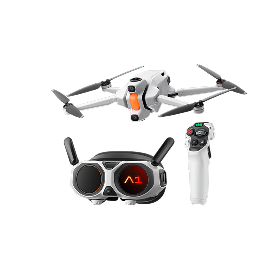
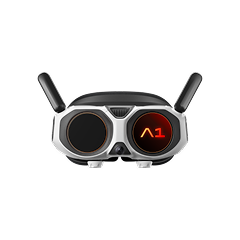
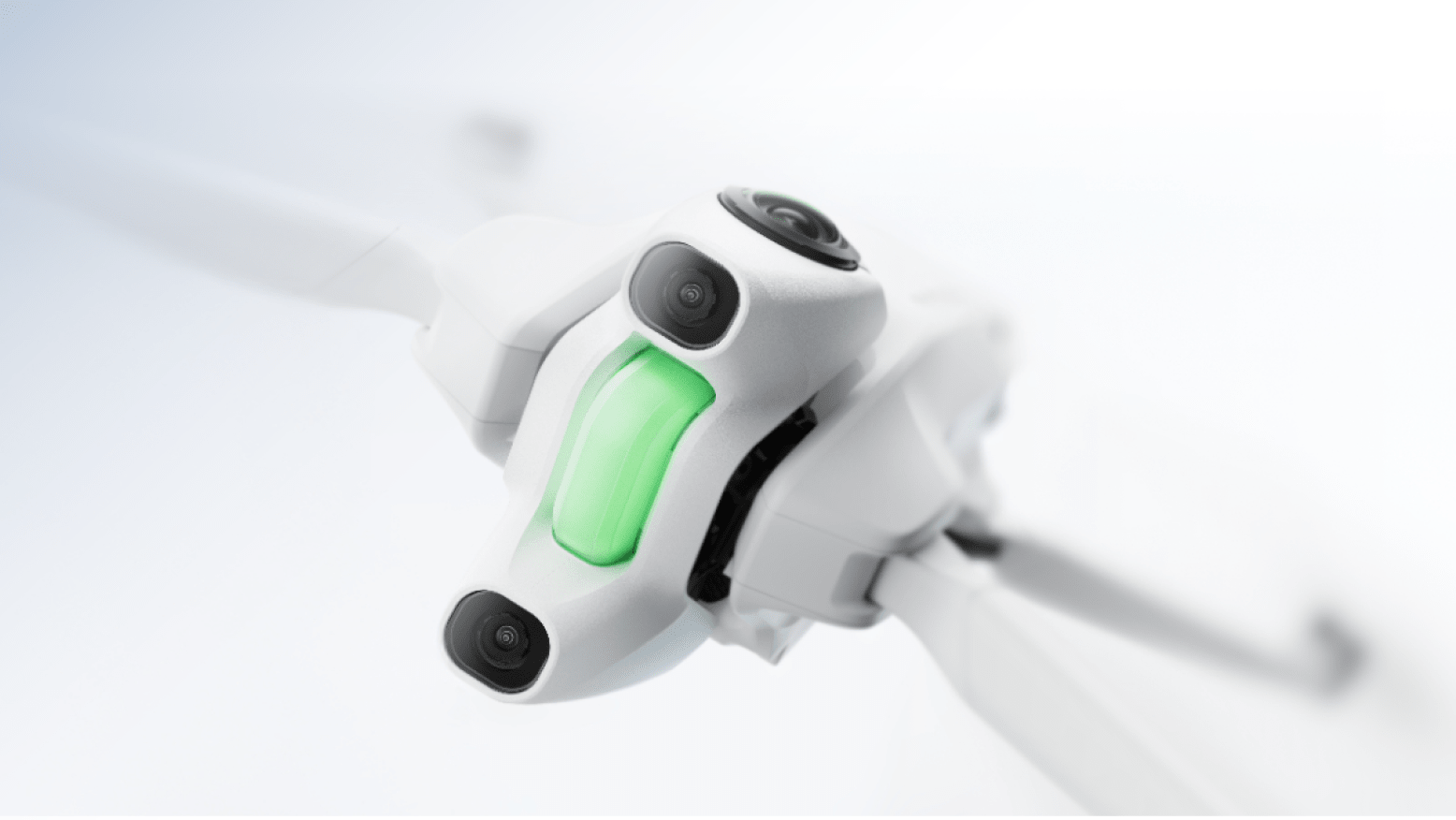
As drone technology matures, a new category is emerging that focuses less on operating the aircraft and more on experiencing the environment. Systems like Antigravity A1 capture the entire scene in 8K 360°, allowing pilots to fly first and decide framing later, while intuitive look-to-fly interaction lowers the skill barrier traditionally associated with aerial cinematography. Rather than treating drones purely as technical tools, this approach turns them into exploration devices—opening creative flight to people who may never have considered themselves pilots.
America's Push for a Domestic Drone Industry
The drones flying across America exist within a vast global marketplace. For years, the American drone market has been heavily influenced by technology designed and built overseas. This dynamic fueled rapid growth and made aerial tools more accessible than ever, but it also sparked a critical conversation about national security and economic reliance. When the very tools mapping our infrastructure, supporting our first responders, and gathering sensitive commercial data are sourced from outside the country, it raises important questions. We must consider the security of that information and the stability of the supply chain that provides these vital technologies.
In response, a powerful movement is underway to strengthen the US drone industry from within. We’re witnessing a new tech race focused on creating a resilient, innovative, and secure domestic ecosystem. Government agencies and private companies are collaborating to champion American ingenuity, fostering a new generation of high-tech jobs in both hardware and software. A key example is the Department of Defense's "Blue UAS" program , which vets and approves secure drone technologies for federal use, setting a high bar for security that benefits the entire industry. This strategic push isn't about closing doors to global partners, but about opening new ones for American engineers and entrepreneurs. The ultimate goal is to build a future where pilots have access to the most innovative, verifiably secure, and proudly homegrown aerial tools imaginable.
Privacy in the Drone Age
As drones become more capable and widespread, their flight path intersects with one of our most fundamental values: privacy. The same camera that captures a stunning sunset can also peer over a backyard fence. This powerful capability brings with it a host of critical questions that we, as a society, must navigate carefully. It's a conversation that balances technological innovation with personal freedom, a challenge highlighted by civil liberties advocates and everyday citizens alike.
The debate over domestic drone privacy intensifies when we consider their use by law enforcement. While drones can offer invaluable support in search and rescue missions, their potential for persistent, wide-scale surveillance raises valid concerns. How do we draw the line between public safety and a surveillance society? Who owns the vast amounts of data collected during a flight, and how is that information used, stored, and protected?
These aren't just abstract legal arguments; they impact the sense of privacy we feel in our own communities. Crafting clear, transparent policies is the crucial next step. Finding this balance ensures that the drone age evolves responsibly, fostering trust between operators, the public, and governing bodies. The goal is to create a framework where innovation can thrive without eroding the personal boundaries that define our lives. It’s about ensuring the sky remains a space for exploration and creativity, not unwarranted observation.
FAQ
What are the basic rules for flying drones in America?
The basic rules for flying drones in the United States are simple: always keep your drone within your visual line of sight, stay at or below 400 feet in uncontrolled airspace, and never fly over crowds. Before taking off, it is essential to check for local airspace restrictions using an FAA-approved app to ensure you have clearance.
Do I need a license to fly a drone for fun?
For recreational use, you don't need a professional license, but you must pass the free online TRUST safety test. However, if you plan to use your drone for any commercial purpose, you are required to earn the FAA's Part 107 Remote Pilot Certificate by passing a more comprehensive knowledge exam. These US drone regulations help ensure safety for all.
What is the purpose of the government's Blue UAS list?
The Blue UAS list is a roster of drones vetted for high-security standards, approved for use by federal agencies. Its purpose is to strengthen the US drone industry by building a secure supply chain of trusted, compliant technology and reducing reliance on foreign-made systems for sensitive government work.
Why are people concerned about drone privacy?
Concerns around domestic drone privacy come from their powerful cameras. The ability to record high-resolution video from above raises valid questions about potential surveillance. The ongoing public debate seeks to create clear laws that protect personal privacy while allowing the creative and commercial benefits of drone technology to flourish.
Conclusion
The journey into the world of drones in America reveals a landscape buzzing with incredible potential. We've seen how these powerful tools are not just hobbyist gadgets but are actively reshaping major industries, creating economic value, and offering new creative perspectives.
If you’re ready to take flight, your first mission is to get your TRUST certificate. It’s a fast, free, and essential step for every recreational pilot. From there, visit the FAA’s DroneZone to register your aircraft and explore official resources. These actions are your launchpad, the foundation for responsible and exciting adventures. The future of flying drones in the United States is bright, and with the right knowledge, you are officially cleared for takeoff.
您在名單上嗎?
訂閱即可在第一時間收到 Antigravity 頭條資訊、產品教學和新品動態。

